
Never Mind the Neon, Here's the Noise
Las Vegas is globally known for glitz, glamour, and high-stakes entertainment—but tucked away from the dazzling lights of the Strip is an attraction that throws a wrench in the whole machine: The Punk Rock Museum.
This isn't your average, quiet institution. This 12,000-square-foot space is a loud, unapologetic love letter to the history, culture, and "absurdity" of punk rock. It’s a collective effort, backed by legends like Fat Mike (NOFX) and Pat Smear (The Germs, Nirvana, Foo Fighters), ensuring its authenticity. Unlike the other museums in Las Vegas, this one celebrates rebellion, music, and community, providing an experience that stands out for lifelong fans and curious "looky-loos."
Discover why it’s quickly becoming one of the most talked-about Las Vegas museum attractions for culture lovers.
The Core of the Culture: What is Punk Rock?
To fully appreciate the museum's artifacts, you first have to understand the movement that created them. Punk rock is more than just a music genre; it’s a radical cultural philosophy born from frustration and disenfranchisement.
The Origin and Motivation
Punk rock emerged in the mid-1970s in cities like New York (The Ramones, Patti Smith) and London (The Clash, Sex Pistols) as a furious reaction against the bloated, corporate, and technically complicated rock music of the time. The motivation was simple: rejection of the mainstream.
Musical Significance: The music itself was fast, raw, and minimalist. It championed the three-chord song structure, proving that anyone could pick up an instrument and start a band, regardless of skill level.
The Message: Punk provided a voice for the disenfranchised, singing about anarchy, social injustice, political failure, and unemployment. It was an urgent call for change, often summarized by the Do It Yourself (DIY) ethic—don't wait for permission; create your own scene, art, and rules.
The Style and the Scene
The visual style of punk was an intentional offence to polite society, turning conventional beauty and fashion upside down.
The Aesthetic: The style—characterized by ripped clothing, safety pins, leather, chains, and spiky hair—was a visual manifestation of the scene's anti-establishment ethos. Every element was deliberate: tearing clothes showed contempt for consumerism, while safety pins and duct tape symbolized the movement's DIY, patched-together nature.
The Culture: Punk Rockers were outsiders who found belonging in the scene. The music meant freedom and validation. It was a space where political anger and personal frustration could be channeled into something creative, loud, and communal. The culture was built around small, sweaty clubs, handmade flyers (zines), and a fiercely loyal, yet often chaotic, community.
The Punk Rock Museum preserves not just the artifacts of the music but the spirit of this movement, making history accessible to anyone who’s ever felt like an outsider.
Artifacts & Exhibits: The Real History, Unfiltered
The museum is home to the world's most expansive and intimate display of punk rock memorabilia, featuring over 1,000 items donated by artists.
The Legends' Lounge: Priceless Relics
Iconic Gear: Glimpse instruments are used by true legends, including Dee Dee Ramone’s bass (The Ramones’ founding bassist) and guitars from acts like The Clash and Green Day.
Devo’s De-Evolution: See one of the most unique items: the original molds for Devo's signature Energy Dome helmets. Devo, an influential new wave band, used these angular, red hats as part of their satirical concept of "de-evolution"—the idea that humanity was regressing.
The Uncomfortable Couch: Arguably the most infamous piece of furniture, you can see the actual black couch where a young Kurt Cobain famously "passed out" while his friends, The Melvins (pioneering sludge metal/grunge band and Cobain’s mentors), were recording their Houdini album in the early '90s. This artifact perfectly captures the gritty, raw spirit of the scene.
The DIY Spirit
The museum respects punk’s Do It Yourself (DIY) ethos, showcasing raw artifacts often ignored by mainstream galleries. Visitors can see walls covered in original handwritten lyrics, handmade zines, and show flyers documenting the scene’s genesis, proving that world-changing music doesn’t need a central label budget—just three chords and the truth.
Go Beyond the Glass: Immersive, Hands-On Experiences
What truly sets this apart from other exhibits in Las Vegas is its dedication to making history interactive. This is not a passive walk-through; it’s an invitation to engage with the culture literally.
The Jam Room: Make Some Noise
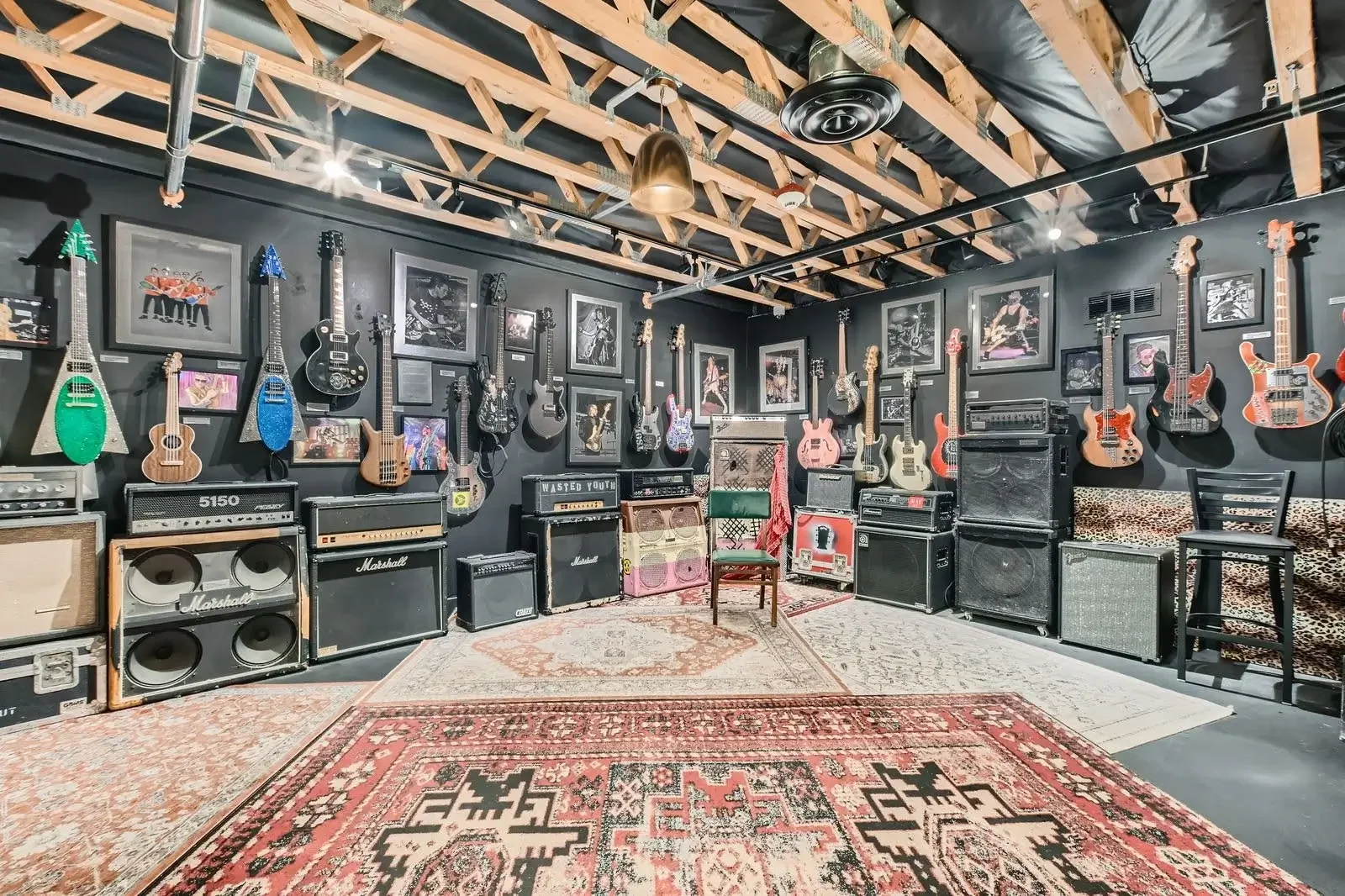
In this unique gallery, you don't just look—you play. The Jam Room features actual guitars and basses used by punk heroes. Pick up and play instruments owned by members of modern punk giants like Rise Against (known for anthemic, political punk), NOFX (known for their sardonic humor and melodic speed), and Pennywise through their original amps.
Pennywise’s Garage
Step into a faithful, fully reconstructed recreation of the band Pennywise’s rehearsal space. This Southern California melodic hardcore band is known for hits like "Bro Hymn." This exhibit sometimes acts as an impromptu performance space, allowing visitors to catch a surprise set or get a rare look at where the legendary four-piece honed their sound.
Guided Tours by Legends
Elevate your experience with a guided tour led by an actual punk rock musician. Past guides have included The Vandals, Social Distortion, and Less Than Jake members, offering unparalleled insider stories and personal perspectives you won't get anywhere else.
It’s a Scene, Not Just an Exhibit: The Culture Hub
The museum complex embodies the rebellious spirit of punk rock by hosting a full slate of activities beyond history and artifacts.
Three Star Punk Bar: Discover the perfect place for a post-tour drink. Be sure to order “The Fletcher,” a rum and Coke served in a Pringles can, named in honor of Pennywise guitarist Fletcher Dragge.
Get Inked: The museum houses The Shop, a full-service Las Vegas tattoo shop with world-renowned artists specializing in everything from traditional flash to custom pieces.
Punk Wedding Chapel: For those who see love as a three-chord anthem, the museum offers a unique punk-themed Las Vegas wedding chapel where you can get married or renew your vows.
Conclusion: Your Must-See Las Vegas Museum
From the priceless artifacts like Dee Dee Ramone's bass to the unique Jam Room, The Punk Rock Museum delivers an authentic, educational, and immersive experience that truly stands apart. It’s more than just a collection; it's a community hub and a living testament to the power of counterculture.
Whether you're a devoted fan or just looking for the edgiest cultural exhibits in Las Vegas, this place is raw, honest, and unforgettable.
Plan Your Visit to this Las Vegas Museum Today:
Book Tickets or a Guided Tour
Book Your Punk Wedding
Visit the Three Star Punk Bar
Get Tattooed at The Shop
Frequently Asked Questions
Do I need to be a huge punk fan to visit?
Absolutely not! The museum is curated for both lifelong enthusiasts and curious individuals ("looky-loos") of all ages who want to learn about the substantial cultural impact of the genre.
Can I really play the instruments in the Jam Room?
Yes. This unique feature lets visitors play actual guitars and basses used by bands like NOFX and Rise Against through their original amps.
How can I get a guided tour with a punk musician?
The museum offers special "Guided Tour" tickets, which are led by rotating members of famous punk rock bands (e.g., The Vandals, Less Than Jake). These can be purchased on the museum’s official ticketing page.
What is “The Fletcher” cocktail?
It’s a specialty drink served at the Three Star Punk Bar—rum and Coke in a Pringles can, named after Pennywise guitarist Fletcher Dragge.
Where is this Las Vegas museum located?
The Punk Rock Museum is located at 1422 Western Ave., between the Las Vegas Strip and Downtown, making it easily accessible from anywhere in the city.
