
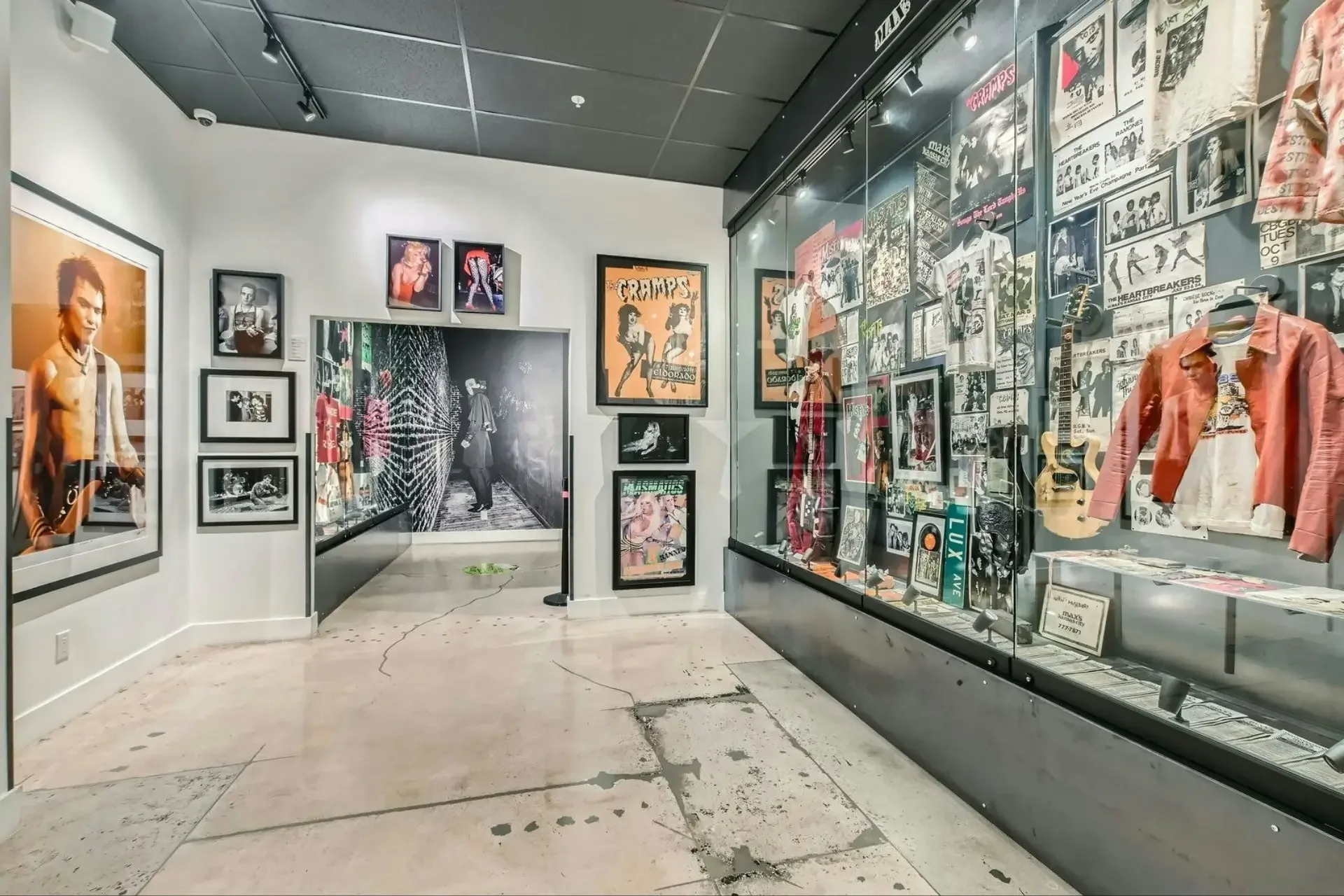
What is punk music? Emerging from the underground garage scene of the 1970s, punk became a raw movement defined by fast-paced songs, political expression, and a fiercely independent DIY spirit. Over the decades, it evolved far beyond music into a global subculture that influenced fashion, art, skateboarding, activism, and alternative culture worldwide.
At The Punk Rock Museum in Las Vegas, visitors can experience the spirit, chaos, and creativity that defined the scene firsthand. But before you step through the doors, let’s take a look at 10 iconic items that help trace the evolution of punk music and culture.
The Debris of a Cultural Revolution
Walk into most history exhibits, and you are greeted by sterile glass cases, climate-controlled lighting, and a suffocating silence that screams, “Don’t touch.” But punk music was never meant to sit quietly behind glass. It was built in sweat-soaked basements, packed clubs, garages, and DIY venues fueled by raw energy and rebellion.
The history of punk is preserved through the objects, fashion, instruments, flyers, and underground media that helped shape the movement across multiple generations. From the gritty garage circuits of the 1970s to the global festival stages of today, these types of items tell the story of how punk evolved from a subculture into a worldwide cultural force.
1. The Safety-Pinned Leather Jacket: The Uniform of Defiance
In the mid-1970s, leather jackets became symbols of rebellion, individuality, and survival within the growing punk scene. Safety pins, hand-painted logos, patches, and worn materials reflected the DIY attitude that defined early punk culture. What started as a necessity quickly became one of punk’s most recognizable visual identities.
2. Punk Fanzines: Media by the People
Before the internet, underground punk scenes relied on homemade fanzines to spread news, music reviews, artwork, and information about upcoming shows. These photocopied publications became the voice of the community outside of traditional music media.
With handwritten notes, rough layouts, and DIY production, punk fanzines helped break down the barrier between fans, musicians, and journalists. They became a defining symbol of punk’s independent spirit and grassroots culture.
3. Broken Instruments and Hardcore Punk’s Chaotic Awakening
By the early 1980s, punk music had evolved into something faster, heavier, and far more aggressive. Hardcore punk transformed live shows into chaotic, high-energy experiences where mosh pits, stage dives, and raw physical intensity became central parts of the culture.
Broken guitars, cracked basses, and heavily worn equipment became telltale symbols of this era’s aggressive spirit. Hardcore bands were not chasing polished radio success; they were channeling hard-earned frustration, rebellion, and pure energy into every performance.
4. Hand-Drawn Gig Flyers: The Original Social Network
Before social media and digital event pages, punk scenes relied on hand-drawn flyers to spread the word about upcoming shows. Bands and fans plastered photocopied posters across city streets, record stores, skate shops, and venue walls to build local communities from the ground up. These flyers reflected the intense artwork and rebellious energy that fueled punk culture throughout the 1980s underground scene.
5. Sticker-Covered Skate Decks
As the 1980s progressed, punk music became deeply connected to skateboarding culture. Fast, aggressive music naturally matched the energy and attitude of street skating. Sticker-covered skate decks, backyard ramps, and underground skate videos helped carry punk music far beyond traditional clubs and venues. The culture became a defining soundtrack for generations of skaters and independent youth communities.
6. Home Recording Equipment: DIY Music Production
For years, professional recording studios were expensive and largely controlled by major record labels. Home recording equipment changed that completely, allowing independent musicians to create and distribute music without corporate backing.
Affordable 4-track cassette recorders became essential tools within punk and alternative music scenes during the late 1980s and early 1990s. The raw, distorted sound of these home recordings helped shape the identity of underground music and reinforced punk’s fiercely independent DIY spirit.
7. Flannel Shirts and the Pop-Punk Explosion
By the mid-1990s, punk music had broken into the mainstream. Melodic pop-punk bands brought the genre to a wider audience through radio, MTV, and major festival tours, introducing millions of listeners to punk culture for the first time.
Oversized flannels, thrift-store fashion, and skate-inspired style became defining symbols of this era. While some longtime fans debated punk’s growing commercial success, the movement’s mainstream breakthrough helped expand alternative music and inspire an entirely new generation of artists and fans.
8. Backstage Passes and Punk’s Touring Culture
As punk music expanded through the late 1990s and early 2000s, touring became a major part of the culture. Independent bands spent months traveling between clubs, festivals, skate parks, and DIY venues, building loyal communities city by city. Backstage passes, festival wristbands, and tour laminates became lasting symbols of life on the road.
9. Tattoo Machines and Punk’s Visual Identity
Punk culture has always been about more than music. Tattoos, patches, piercings, and DIY fashion became powerful forms of self-expression that helped define the movement’s rebellious identity.
Tattoo machines, flash art, and heavily tattooed musicians became lasting symbols of punk’s connection to outsider culture and personal freedom. What was once considered controversial or anti-establishment eventually became a recognizable visual element for the punk and alternative music scenes.
10. Handwritten Setlists and Punk’s Modern Resurgence
Punk music continues to evolve in the 2020s as newer artists blend classic punk energy with influences from hip-hop, indie rock, electronic music, and other alternative genres. The movement remains fast, unpredictable, and connected to DIY creativity.
Handwritten setlists, taped-up stage notes, and modern tour memorabilia reflect punk’s continued presence in live music culture. While the sound has expanded over the decades, the core spirit of independence and self-expression still drives the genre forward today.
Preserving Punk’s Legacy in Las Vegas
Punk has always been more than music. It is a culture shaped by live shows, DIY creativity, underground communities, and decades of independent expression. From hand-drawn flyers and battered instruments to fanzines and stage-worn gear, these items help tell the story of how punk evolved across generations.
At The Punk Rock Museum in Las Vegas, fans can experience the history, energy, and lasting impact of punk culture in an immersive environment created by people deeply connected to the scene.
Experience Punk History for Yourself
From the rebellious underground scenes of the 1970s to the modern artists continuing to push the genre forward, punk music has always been driven by creativity, community, and defiance.
The Punk Rock Museum in Las Vegas brings that history to life through immersive exhibits, live stories, music memorabilia, and hands-on experiences built for lifelong fans and curious newcomers alike.
Plan Your Visit Today
Book a Guided Tourand hear stories from the musicians, artists, and road crews who lived the culture.
Visit the Jam Room to play instruments connected to legendary punk bands.
Grab a Drink at the Three Star Punk Bar and connect with punk fans from around the world.
